
Cold & Flu Readiness Checklist: Standardizing Infection Control for Peak Surge Months
 dbernd
October 16, 2026
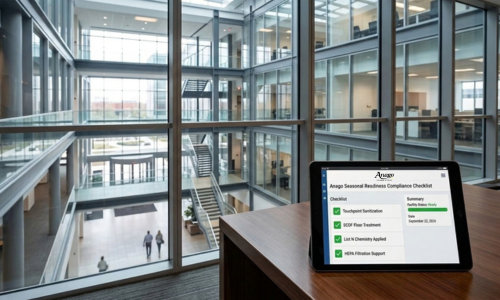
Implementing a standardized cold and flu readiness checklist establishes a comprehensive infection control defense across commercial, educational, and healthcare properties before illness surges begin.
Structured preparation aligns EPA-registered touchpoint sanitation, SCOF-compliant floor maintenance, and HEPA air filtration support into a unified operational strategy.
Proactive preparation prevents sudden absenteeism, protects tenant satisfaction, and guarantees operational continuity throughout peak surge months.
What Are the Key Components of a Commercial Cold and Flu Readiness Plan?
A comprehensive commercial readiness plan includes mapping high-touch surface vectors, securing supply chains for EPA-registered List N chemistry, establishing SCOF-compliant floor extraction protocols, and setting clear service frequencies for high-traffic zones. Standardizing these elements ensures consistent infection control across the entire property footprint.
- Phase 1: Facility Hotspot Audit: Map all high-contact surfaces across common areas, suites, and restrooms.
- Phase 2: Chemical & Equipment Verification: Confirm all disinfectants are EPA List N registered with verified dwell times.
- Phase 3: Floor & Entryway Care: Schedule deep extraction and slip-resistant floor treatments meeting SCOF standards.
- Phase 4: Service Schedule Finalization: Lock in daytime touchpoint sweeps and off-peak deep sanitization windows.
- Phase 5: Compliance Logging: Establish digital records to track service completion and support OSHA/CDC alignment.
| Readiness Component | Key Operational Standard | Business Value |
| Touchpoint Sanitation | Daily List N application on high-contact fixtures | Prevents surface-to-hand viral transfer |
| Floor Maintenance | HEPA vacuuming & SCOF slip-resistance care | Eliminates floor reservoirs & slip hazards |
| Indoor Air Support | Clean vent sweeps & HEPA filtration alignment | Reduces re-circulating bio-burden in air |
| Audit Compliance | Digital service logging and verification | Provides proof of duty of care for safety audits |
Industry Correction: Many building owners believe that seasonal readiness simply means putting out hand sanitizer stands in the lobby. While hand hygiene helps, sanitizer dispensers do nothing to eliminate active viral reservoirs on shared door handles, elevator buttons, and desk surfaces where pathogens survive for up to 48 hours.
How Does Standardized Floor and Touchpoint Care Support LEED and SCOF Compliance?
Standardized floor and surface care supports compliance by combining green-certified, low-VOC EPA disinfectants with rigorous floor slip-resistance protocols that meet SCOF requirements. This dual focus maintains high Indoor Environmental Quality (IEQ) standards for LEED certification while eliminating viral reservoirs and preventing fall injuries during wet weather.
As Facility Service Partners, Anago Cleaning Systems integrates environmental sustainability with rigorous infection control. Protecting building occupants requires a balanced approach that maintains physical safety without introducing harsh chemical odors or unsafe floor conditions.
How Often Should Cold and Flu Readiness Controls Be Evaluated and Adjusted?
Readiness controls should be evaluated weekly during peak surge months using surface audits, absenteeism tracking, and compliance logs. Adjusting disinfection frequencies in response to local outbreak data ensures resources remain focused on emerging high-risk areas.
Projected 2026 commercial building benchmarks show that dynamic, data-backed facility management reduces operating costs while improving tenant satisfaction. Continuous monitoring allows management to scale sanitation efforts up or down based on real-time operational needs.
- Agile Response: Scale service frequency up during regional virus surges.
- Transparent Quality: Digital compliance logs confirm completed service sweeps.
- Operational Security: Keeps corporate, healthcare, and educational facilities open and safe.
How Do You Present This Seasonal Readiness Plan to Leadership for Internal Buy-In?
Presenting a seasonal readiness plan requires showing leadership how structured preparation solves multiple operational, legal, and financial challenges at once.
- For Executive Leadership: Frame the checklist as a comprehensive risk-management roadmap that safeguards corporate output and protects the organization’s bottom line.
- For Operations & Facilities Managers: Demonstrate how standardizing service intervals simplifies vendor management and eliminates reactive maintenance stress.
- For HR & Risk Management Teams: Highlight how documented, CDC-aligned readiness protocols satisfy duty-of-care obligations and reassure employees during flu surges.
Frequently Asked Questions About Seasonal Readiness
What is the ideal timeline to execute a facility cold and flu readiness checklist?
How does HEPA filtration support surface disinfection efforts?
What documentation should be kept to prove facility health readiness?
Prepare Your Facility for Cold & Flu Season
Don't wait for seasonal outbreaks to disrupt your business. Partner with Anago to standardize your infection control readiness plan today.
Proactive asset protection for high-performance facilities.
Download the Cold & Flu Readiness Checklist
By Darlene Bernd, Content Marketing Manager
